Home · Services · Emergency Board Up and Tarping
Emergency Board Up and Tarping in Lowell, MA
Quick answer
Securing a fire damaged home the same night: boarding broken windows and doors, and tarping roof damage so weather stays out.
Securing a Lowell building after a fire is mill-city work: the openings are the ones firefighters made, glass cut out, doors forced, roof sections opened so the building could breathe, in structures that frequently share a wall with the house next door. Until those openings are closed, New England weather has an open invitation, so the securing is measured, photographed, and fixed in place ahead of any cleaning conversation, with the shared-wall condition written into the file.
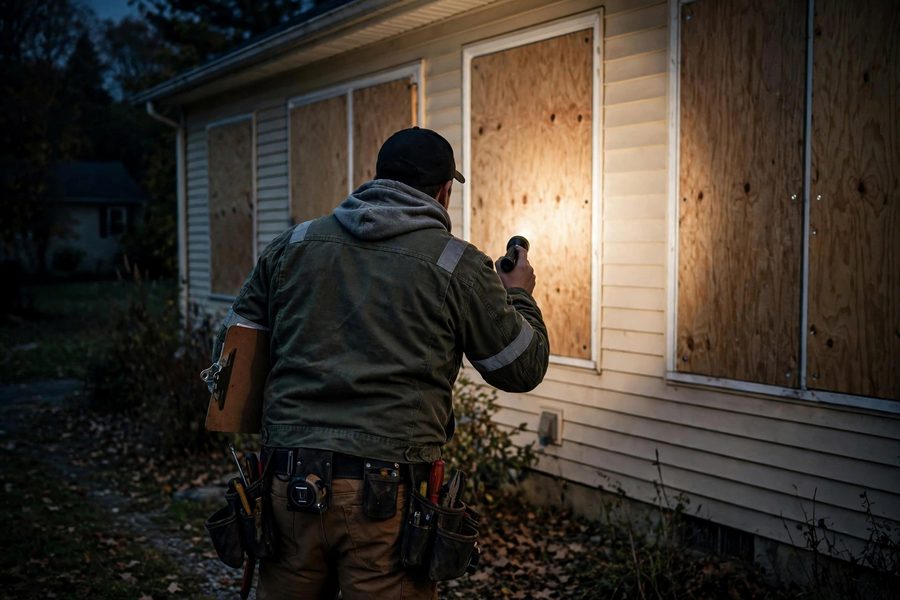
Signs you need emergency board up and tarping
- Windows or doors were broken by the fire or by firefighters
- The roof has holes, missing sections, or fire damage
- The home will stand empty overnight or longer
- Rain is forecast before permanent repairs can start
What the job involves
What affects the price
- Number and size of openings to board
- Roof area to tarp and how steep or damaged it is
- Time of day and how quickly the crew must arrive
- Whether temporary fencing or locks are also needed
When it is an emergency
Board up is the one fire job that should never wait until tomorrow. Insurers expect the property to be protected from further damage, and an unsecured home after a fire is a known target. If the fire department has released the home, this call can be made the same night.
PLACEHOLDEREmergency Board Up and Tarping across the Lowell area
Related services
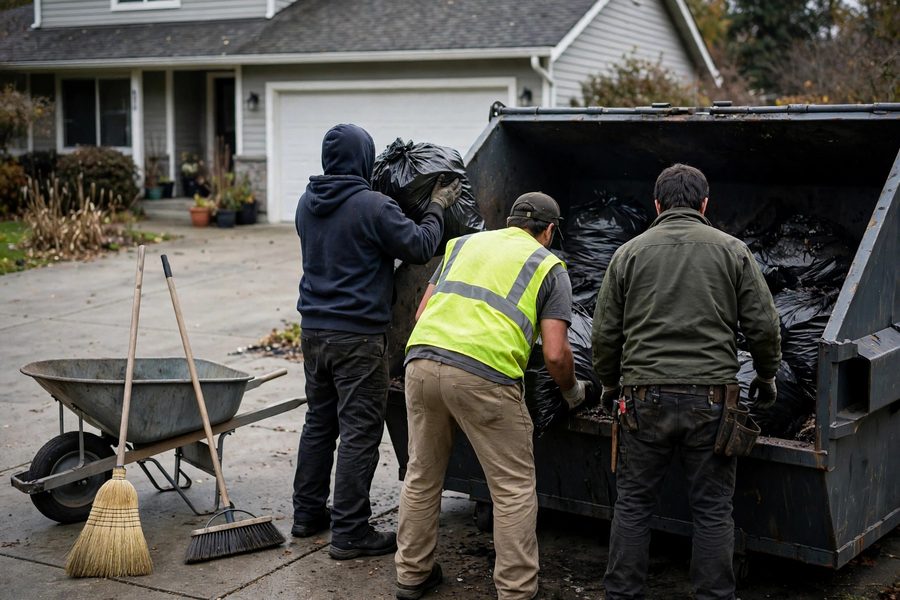
Fire Damage Restoration
Full restoration after a fire in the home: securing the property, removing what burned, cleaning smoke and soot, and rebuilding what the fire took.
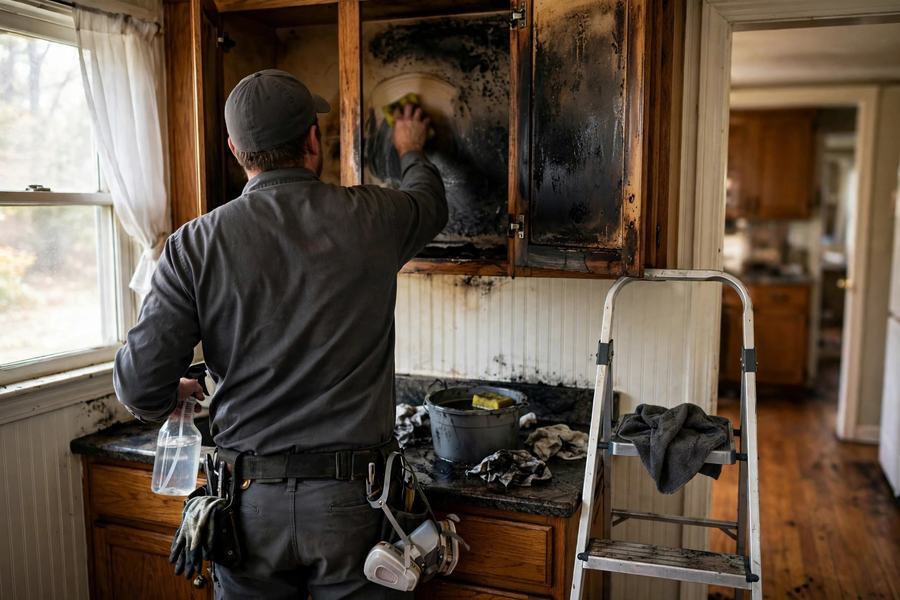
Smoke Damage Cleanup
Cleaning smoke residue and odor from walls, ceilings, and belongings, including in rooms the flames never reached.
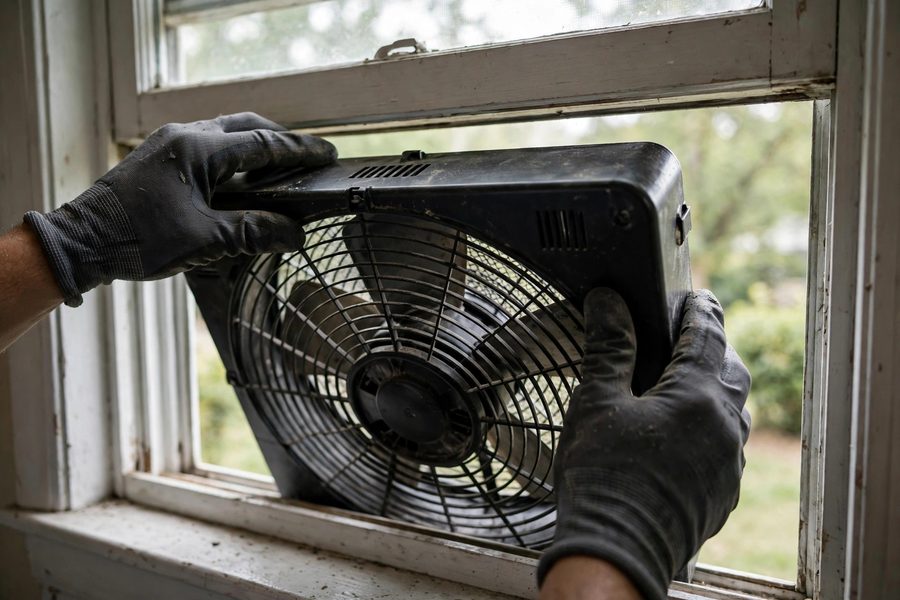
Smoke Odor Removal
Removing the smoke smell that stays in walls, fabrics, and ducts after the visible damage is cleaned.
Soot Removal
Removing soot from walls, ceilings, appliances, and fixtures before its acidity etches and permanently stains surfaces.
Emergency Board Up and Tarping questions, answered
When is emergency board up and tarping an emergency?
Board up is the one fire job that should never wait until tomorrow. Insurers expect the property to be protected from further damage, and an unsecured home after a fire is a known target. If the fire department has released the home, this call can be made the same night.
What affects the price of emergency board up and tarping in Lowell?
The main price factors for emergency board up and tarping are covered in the cost section above. The contractor confirms the exact price in a written estimate after seeing the job, and nothing is owed until you approve it. The call and the referral are free.
My neighbour's unit burned, not mine. Is my smoke damage part of the claim?
In the standard case, yes: smoke damage from a fire is fire damage, and Lowell's multi-family stock is built for smoke to travel, through shared chases, floor voids, and layered plaster. What your file needs is your own interior record: soot lines and odor documented in your unit before cleaning, with the fire's date and address. Have your unit scoped on its own lines, not folded into the burned unit's estimate.
Does homeowners insurance cover fire damage restoration in Lowell?
Fire is a named peril in standard homeowners policies, so fire damage is generally covered, including smoke damage to rooms the flames never reached and the water damage from putting the fire out. The disputes are almost never about whether fire is covered; they are about scope and price. Keep the contractor's itemized written scope, the moisture and cleanup documentation, and photos, because those are what an adjuster reviews. Your deductible applies, and loss of use coverage, if you carry it, can pay for temporary housing while the home is uninhabitable.
How much does fire damage restoration cost?
Published national figures from Angi (2026) put most homeowners' fire restoration between about $3,100 and about $52,000, with an average near $27,500 and cleanup priced around $4 to $7 per square foot. A minor kitchen smoke cleanup can start under $1,000, while a structural fire runs far past the top of that range. What decides your number is how many rooms burned versus smoked, whether structure is damaged, and how much firefighting water has to come out. Anyone quoting a firm total by phone is guessing; the honest sequence is an in person assessment and a written scope.
Request a callback
Prefer to talk later? Leave your details and an independent local pro will call you back. No charge to you, no obligation.
Concord River Fire Restoration is a free referral service. Submitting this form connects you with independent local contractors who provide the work.